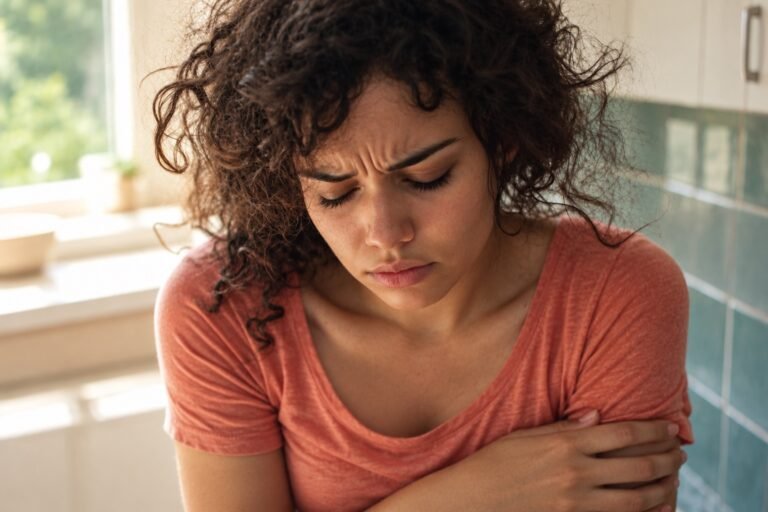


Your body is changing, sometimes faster than you’d like and sometimes slower than your friends’. Maybe your period just started, or you’re waiting for it. Maybe you feel happy one minute and irritated the next, and someone has already told you it’s “just hormones.”
In this article
Hormones really do drive a lot of what happens during puberty. But they don’t explain every feeling you have, and you deserve to be listened to, not brushed off as a “hormonal rollercoaster.” This guide explains what’s going on, what’s normal, and when it’s worth talking to someone.
Everyone starts at their own pace
There’s no single “right” age for puberty. According to NICHD’s puberty overview, it usually starts in girls somewhere between ages 8 and 13. Starting earlier or later than your classmates is common. It’s not a race. If development seems very early or very delayed, a doctor can check things out.
What your hormones are doing
Puberty starts in your brain. Your brain sends signals to your pituitary gland, a small gland at the base of the brain, which then sends messages to your ovaries. Two of those messengers are FSH and LH. In response, your ovaries make more estrogen, which helps with changes like breast development and, eventually, periods. If your skin is changing too, here’s what to know about acne and hormones.
Knowing these names can make health class or a doctor’s visit less confusing. But nobody can tell your hormone levels from an argument, a quiet afternoon, or a tough day at school.
Your first periods
In the first few years, it’s common for periods to be irregular. Your body is still fine-tuning its hormone signals. NICHD’s menstruation guide explains how the cycle works. If you’re wondering what happens between one period and the next, see how hormones shape the menstrual cycle. If you have questions about contraception, you can read about how different types of hormonal birth control work.
A tip: keep a simple record of when your period starts, how long it lasts, and anything that bothers you, like cramps. A notes app or period tracker works fine. You don’t need to predict every cycle; the record just helps you explain what’s happening if you ever see a doctor.
If you’re heading to school and wondering what to pack, start with a pad, spare underwear, and a small bag. It can help to know where you’d go for a spare pad at school. When you’re ready to see how periods fit into the bigger picture, try our guide to the menstrual cycle.
About your moods
Teen years come with a lot: schoolwork, friendships, crushes, social media, family stuff, less sleep. All of that affects how you feel. Mood changes can’t be traced to a particular level of estrogen, progesterone, or testosterone.
Some ups and downs are normal. But the NIMH teen depression resource explains how to tell passing moods from something more serious.
What you can do
- Sleep as much as you can. Teens need a lot of sleep, and being tired makes everything harder.
- Eat regularly, including breakfast if you can.
- Move in ways you enjoy: sports, dancing, walking with friends.
- Talk to someone you trust when things feel heavy.
- Skip the “hormone reset” products you see online. Your body doesn’t need them.
If you’re still wondering what to expect, read more on puberty and changing hormone patterns.
When to talk to a doctor or trusted adult
- Period pain that keeps you home from school or activities
- Bleeding that’s very heavy or gets in the way of daily life
- Concerns about how or when your body is developing
- Feeling sad, irritable, or uninterested in things you used to enjoy for more than a couple of weeks
“It’s normal” should never be a reason to ignore pain or distress. A doctor will consider your age, how long you’ve had periods, and your overall health. If you ever feel unsafe or think about hurting yourself, tell a trusted adult right away and seek immediate professional or emergency help.
For parents and trusted adults
Listen first, and explain later. Ask what feels hard and what kind of support would help. Give your teen space for private, age-appropriate time with a doctor. Steady routines around sleep, meals, activity, and connection make daily life easier, though they’re not a treatment for every emotional problem. If gym or supplement advice is part of the conversation, read what teens should know about steroid use.
Try to avoid comparing bodies, promising supplement fixes, or describing your teen as “hormonal.” The goal is understanding and the right support, not controlling their mood.
Frequently asked questions
Is it normal for my period to be irregular?
Yes, especially in the first few years. If it stays very irregular, or you have other concerns, it’s worth asking a doctor.
Why am I so moody?
Hormones, sleep, stress, and big life changes can all affect mood. If low mood or irritability sticks around, talk to someone.
When should I get my first period?
It varies. Many people get their first period a couple of years after breast development begins, as ACOG explains. If you’re concerned about timing, a doctor can help.